SciSure blog

Posts by:

Admin

Managing and Mapping the Data: Hurdles, Impacts & Solutions

In life science and biotech laboratories, “big data” has gotten more significant than ever before and shows no signs of stopping. The data pool in most labs is highly diverse (think ‘omics, imaging, etc.), large-scale, and ever-increasing.

This massive amount of diverse data requires constant wrangling. When properly orchestrated, this diverse data can be fully harmonized according to FAIR guidelines, delivering insights that drive scientific breakthroughs. Yet, there are notable challenges and unique hurdles to managing and shaping the challenging topography of the data landscape.

In the following blog, we’ll discuss the impact of these various challenges and provide a solution.

Diversity of Data Types

  • The Challenge: Life science laboratories are prolific generators of diverse data types, including genomics, proteomics, metabolomics, and imaging data. The intricate challenge lies in seamlessly integrating and structuring this heterogeneous data into a cohesive framework. Furthermore, the complexity and heterogeneity of this data create issues with integration.
  •  The Impact: The incompatibility between various data types acts as a stumbling block, impeding comprehensive analysis and hindering the extraction of profound insights from these multifaceted datasets.

Volume and Scale

  • The Challenge: The relentless generation of data in life science and biotech experiments, fueled by advancements like high-throughput technologies, introduces an overwhelming volume that can surpass the capacities of traditional data structuring methods. Genomics alone will generate 2 to 40 exabytes in 2025.
  •  The Impact: The sheer magnitude of data becomes a resource-intensive burden, slowing down the analysis process and potentially creating bottlenecks in accessing critical information. As a result, there’s a “data storage crisis” looming over the industry.

Lack of Standardization

  • The Challenge: The absence of standardized data formats and structures across laboratories and research institutions presents a formidable challenge, introducing hurdles in data interoperability.
  •  The Impact: The resultant lack of harmony in data standards complicates data sharing and collaborative efforts, which is now required by all labs receiving NIH funding. Researchers grapple with integrating and deciphering datasets produced under disparate standards, impeding seamless collaboration and insights extraction.

Temporal and Longitudinal Data

  • The Challenge: Longitudinal studies and time-course experiments introduce a temporal dimension, necessitating the structuring of data points across different time intervals.
  •  The Impact: The intricate task of structuring temporal data becomes pivotal. Misalignment or improper representation of time-dependent data compromises the accuracy of analyses and poses challenges in identifying dynamic patterns critical for scientific interpretation.

Metadata Complexity

  • The Challenge: Many laboratory scientists, particularly those who manage samples using manual, paper-based record-keeping, find capturing and organizing metadata, including experimental conditions, sample details, and procedural information, challenging.
  •  The Impact: The completeness and consistency of metadata emerge as linchpins for contextualizing experimental data. Incomplete or inconsistent metadata creates hurdles in reproducing experiments and comparing study results.

Data Security and Compliance

  • The Challenge: Ensuring data security and compliance with stringent regulatory requirements, such as GDPR in Europe or HIPAA in the United States, adds additional complexity.
  •  The Impact: Unfortunately, cyberattacks, natural disasters, and other calamities can threaten your data. The consequences of inadequate data security measures loom large, with potential breaches jeopardizing the confidentiality of sensitive information and compromising adherence to regulatory standards.

Evolution of Analytical Techniques

  • The Challenge: The rapid evolution of analytical techniques and technologies outpaces existing data structures, rendering them outdated.
  •  The Impact: Laboratories struggle to adapt data structuring methodologies to accommodate emerging analytical approaches. The lag in adaptation results in inefficiencies and missed opportunities to harness the full potential of cutting-edge technologies.

User Adoption and Training

  • The Challenge: Researchers may resist the adoption of standardized data structuring practices due to unfamiliarity or a lack of training.
  •  The Impact: The consequential inconsistencies in data structuring hinder collaborative efforts, impede effective data sharing, and disrupt the implementation of standardized analyses. Bridging this gap demands targeted training initiatives and a cultural shift towards embracing structured data methodologies.

Integrating and Mapping the Data

  • The Challenge: Mapping biological knowledge from data involves representing complex biological concepts, relationships, and processes in a computationally tractable format. Developing interpretable and semantically rich knowledge representations requires domain expertise, ontological frameworks, and natural language processing techniques to effectively capture and formalize biological knowledge.
  •  The Impact: Resolving challenges in mapping life sciences data leads to increased efficiency in data analysis, standardization of methodologies, and improved access to diverse datasets, fostering accelerated scientific discovery and collaboration.

The Solution to Data Management and Mapping Challenges

A strategic blend of technological solutions, standardization efforts, and targeted training initiatives becomes imperative to tackle these challenges. Only through meticulous data structuring can laboratories unlock the full potential of their research endeavors, paving the way for new horizons in life science and biotechnology. This comprehensive approach ensures that data in life science and biotech laboratories is structured optimally, fostering meaningful interpretation, collaboration, and innovation.

Digital lab platforms, such as those offered by SciSure (formerly eLabNext), enable researchers to take a comprehensive approach to data structuring, integration, and management. Contact us today to learn more!

‍

Read More

Overcoming Challenges in Lab Space Selection as a Biotech Start-Up: Insights from Savills

Launching and growing a biotech start-up is an exciting journey, rife with challenges that can be as daunting as they are essential to overcome. From grappling with uncertain futures to navigating the complexities of infrastructure, the voyage to scaling up laboratory operations demands strategic foresight and careful financial management. 

SciSure for Research (formerly eLabNext) recently interviewed Savills, a global commercial real estate firm with over 40,000 professionals collaborating across 70 countries, whose Boston North American Life Sciences team provided valuable insights on the importance of understanding each start-up client's specific infrastructure needs and conducting meticulous due diligence during site selection. Below, through the lens of Savills' expertise, we uncover the challenges and opportunities shaping the future of laboratory expansion in the life sciences industry.

The Challenges of Navigating Laboratory Growth

Many early-stage start-ups face endless difficulties as they plan to initiate or expand their operations. Planning future facilities requirements when a company’s growth, technology, and science are still developing requires significant financial investment and risk management.

Building out laboratory space comes at a considerable cost, especially for early-stage companies that want to balance the investment in their space with the risk of unforeseen challenges, data, and unpredictable fundraising. Labs also have unique facility requirements, including HVAC systems, utilities, water purification systems, and waste management—all of which are critical to safe and efficient operations. 

In addition to these hurdles, fundraising rounds are smaller and taking longer than in previous years, and timing investments in capital, talent, and laboratory space is critical to ensuring an organization's long-term financial health.

Choosing a Lab Space

When choosing a lab or company space, several crucial aspects are often overlooked. While bench space and the commute are usually the most top-of-mind, the accessibility of infrastructure and strategic location choice are essential to consider. 

For example, state and local incentives, start-up programs/grants, and access to skilled, market-specific talent can significantly affect long-term operational costs. Additionally, the presence of critical lab infrastructure, such as shared services and utilities in a facility, can substantially impact operational efficiency and cost-effectiveness. 

Moreover, scalability, flexibility, and efficient lab workflows are paramount for future growth and optimization of space utilization. Exploring avenues like subletting space and phasing construction can further maximize resources and leverage tenant improvement allowances. 

Lastly, partnering with sophisticated life science landlords with a track record of providing quality lab spaces can facilitate growth within their portfolio, fostering a conducive environment for innovation and collaboration.

Fostering Collaboration

Successful innovation in the life sciences relies on collaboration across multiple personnel with unique skill sets, from wet to dry labs. When planning a new lab space, providing scientists with dedicated areas for data processing, electronic lab notebook entry, remote experiment monitoring, and hybrid or remote meetings are pivotal for maximizing productivity and creative thinking.

Employees often utilize various spaces throughout the day, including lab benches, specialized equipment rooms, assigned desks or offices, conference rooms, and collaborative seating areas, reflecting the diverse needs of modern work styles and activities. Collaboration-promoting organizations strategically design lab and non-lab workspaces to optimize workflows between teams and accommodate alternative work styles, cultivating an environment conducive to interdisciplinary teamwork and company culture.

More Progress with Less Money

Labs need to strategically use their capital, maximize efficiency, and conserve resources to navigate the shifting investment landscape post-pandemic.

Upfront programming and lab planning can help start-ups determine the minimum square footage required to accommodate both the scientific needs and projected growth of the company. Strategists from lab space providers can actively research and identify opportunities for non-dilutive funding sources, providing invaluable support for sustainable growth. In addition, a team of experts, including brokers, lab planners, strategists, and project managers, can provide continuous guidance and due diligence, from site selection to budget estimation and timeline management. 

By developing comprehensive equipment lists and lab and office programs, start-ups can ensure their lab space is optimized to meet the company's needs while defining the necessary building infrastructure to support these requirements. 

To further alleviate upfront capital expenditures, brokers negotiate favorable terms, including tenant improvement allowances, flexible lease terms, and phased rent payment schedules. These advantageous concessions enable start-ups to conserve resources and make the most of their funding, ultimately fostering long-term sustainability and success.

Accommodating the Start-Up Landscape with Accelerators and Incubators

The rise of incubators and co-working spaces during the COVID-19 pandemic has shifted the real estate market.

These innovation hubs offer flexible solutions for early-stage startups. They provide an ideal environment for rapid scaling and hypothesis validation, which is crucial for securing IP and investments. Moreover, they present many location options and diverse service levels, catering to the varying needs of startup clients. 

As their popularity soars, life science real estate firms are adapting. An increasing number are providing labs delivered on spec to accommodate startups that lack the time or resources for full lab buildouts. This trend not only enhances accessibility but also contributes to the overall vibrancy and innovation within the real estate sector, ushering in a new era of collaboration and creativity.

Conclusion

Launching and growing a biotech start-up is a thrilling yet arduous endeavor, fraught with challenges that demand careful navigation and strategic planning. From grappling with uncertainties in technology and science to managing the complexities of infrastructure, the path to scaling up laboratory operations requires meticulous attention to detail and prudent financial management.

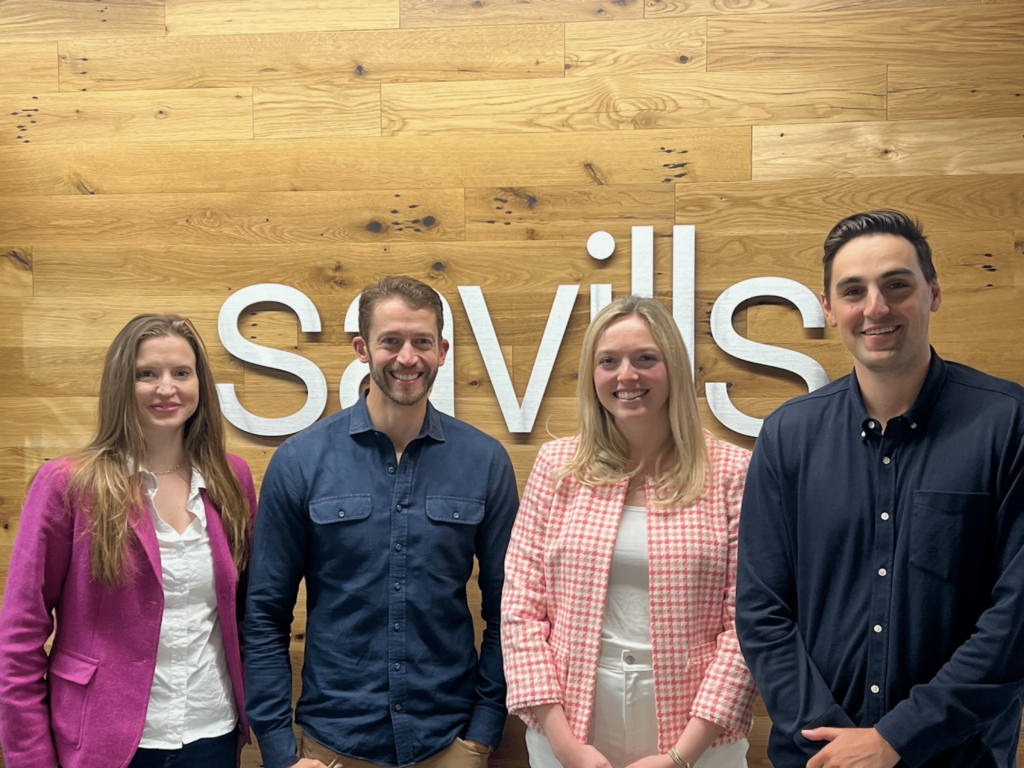
Having a seasoned real estate team, such as Savills, that understands each client’s specific infrastructure needs and performs due diligence during site selection is essential to managing the risk and expense in establishing and scaling up laboratories. Savills recent blog article further explores the drivers that are shifting the life science real estate narrative and the impact on labs. Meet the Boston Savills Life Sciences team, Chris Gorczyca, Eve Jeffries, Nick Beati, Sharon Wilhelm, and Austin Barrett (not pictured), and learn even more about their capabilities as strategic real estate advisors by contacting lifesciences@savills.us.

SciSure can also help start-ups improve the efficiency of their operations and infrastructure. Contact us today to learn more about our DLP.

Read More

To Succeed in Biopharma R&D: Information Flows and Planning Ahead

Effective communication within a biopharma R&D organization can significantly enhance your and your team's efficiency. In the spirit of fostering greater efficiency, this article will explore the curation and transmission of information in an R&D environment. Clear and well-documented scientific and technical results prevent misunderstandings within R&D teams and save time, boosting overall productivity. Preparing for critical moments by appropriately formatting and curating information will increase the likelihood of successful interactions with internal and external stakeholders, such as prospective investors and regulatory authorities.

Below, we discuss the typical roles and responsibilities in R&D environments, the standard formats used for communication, and how they can be improved.

Roles and Responsibilities in R&D

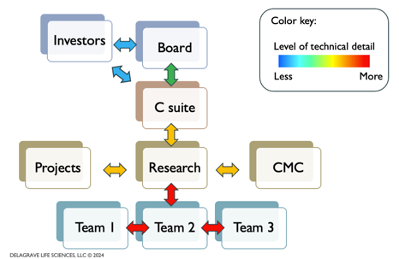
As shown in Figure 1 below, R&D involves various participants with different roles, responsibilities, and levels of understanding of technical details.

Figure 1.   Information shared at different levels of a biopharma R&D organization needs to be curated for efficient communication. Arrows are color-coded to indicate the level of technical detail in communications. Not all company functions are represented.

Due to these differences, it is crucial to format and choose the information you wish to communicate in a way that meets your audience's needs. For instance, the chairperson of the board of directors generally does not need to see a notebook entry describing an important experiment or raw, unprocessed data, but they do need to understand the significance of experiments in relation to the company's goals and funding needs. Conversely, the department (or team) head might need to find a notebook entry to prepare a slide that accurately describes experimental results and their significance. These examples illustrate the need for different types of documents to present and preserve the information the company and all personnel generate.

Common Communication Formats for Biopharma R&D

Whether you’re sharing recent findings or aligning stakeholders on a project’s milestones, conveying experimental rationale and results is essential. Here are a few common ways that information flows through biopharma organizations and some of the complications that can occur when it does. 

Notebook entries

While lab notebooks are intended to store detailed experimental methods that enable reproducibility, managers or investors may not have the time or technical skill required to interpret experimental rationale, locate data, and analyze data independently. This is why the information in a notebook must be extracted and formatted in such a way that best suits the target intended audience. 

However, this process carries risks. If the presented data are not linked to the written record of their acquisition, it may be challenging for future members of the team who prepare an Investigational New Drug (IND) application months or years later to validate that past experiments support assertions made in the IND filings. Technical reports provide a systematic way of recording key results, presented in the same style as a peer-reviewed scientific paper. They also link these results to the notebook entries that initially reported them.

Team meetings and slide decks

Slide deck presentations at weekly check-ins are another primary method of communication at all levels of biopharma companies and are a familiar nexus in biopharma R&D life.  

However, not all biopharma personnel are trained in presentation skills or best practices, and this format presents a significant opportunity for miscommunication. There are also numerous inefficiencies in how regular meetings are organized. Many resources, including books and podcasts, offer practical advice on managing these events. Managing such meetings involves understanding their purpose and having a clear agenda beforehand. Setting expectations early regarding how data should be presented in slide decks at routine meetings can simplify and accelerate the preparation for more significant presentations.

Milestone meetings

Regular meetings with colleagues or managers require preparation, but some less frequent meetings can have much higher stakes. Milestone meetings may involve sharing information with internal or external parties and can be “make or break” moments in a company's journey. 

The importance and amount of preparation for these events often correlate with the amount of money involved in the decisions resulting from them. Board meetings will preoccupy the C-suite for weeks in advance, and functional heads will need to create slides that are visually pleasing and convey information efficiently. 

This preparation is time-consuming, especially if graphs or figures must be redone to meet basic scientific rigor, aesthetics, and clarity criteria. In addition to informing company leadership, slides intended for prospective investors must be prepared and presented or deposited in virtual data rooms for their inspection.

Conclusion

With several common communication formats and many different communication styles in the biopharma R&D environment, aligning and standardizing communication across such diverse and busy organizations can be challenging.

The solution to these problems is to templatize various communication formats with rules and requirements for processed data (e.g., graphs, charts, etc.), presentations, notebook entries, and more. Taking the time to be controlled and systematic in scientific communication is an integral part of working in a biopharma R&D environment. It can significantly increase efficiency and mitigate the risk of a costly miscommunication. Such efforts will yield results later, both in terms of successful fundraising and regulatory filings. 

Digital lab platforms, such as SciSure for Research (formerly eLabNext), can help streamline the standardization process for notebook entries and other communication formats. Contact us to learn more about how SciSure can help.

Delagrave Life Sciences, LLC

Read More

SciSure Boosts Sample Management with Full LabTAG Compatibility for Enhanced Identification and Tracking

Today, SciSure (formerly eLabNext) announced that its platform is now compatible with LabTAG’s, industry-leading laboratory labels and identification products, available through GA International. The strategic partnership provides the scientific community with a complete sample management system for accurate sample tracking, efficient reagent and equipment management, optimized lab workflows, and future-proofed lab operations by combining reliable labeling with efficient data management. 

LabTAG’s labels are engineered for maximum durability, maintaining adhesion and legibility even under the most extreme conditions, such as long-term storage in liquid nitrogen or exposure to chemicals, thereby safeguarding sample integrity and supporting rigorous research protocols. Widely used in medical research and clinical laboratories, LabTAG labels are a perfect complement to the SciSure platform.

“We are thrilled to partner with SciSure, a leader in delivering flexible, user-friendly LIMS solutions that cater to the diverse and ever-changing needs of modern laboratories,” said George Ambartsoumian, Founder and CEO of GA International. “Our partnership ensures that our labeling solutions integrate seamlessly with SciSure's LIMS, providing a comprehensive and efficient sample management system that enhances accuracy, streamlines lab operations, and supports cutting-edge scientific research.”

“LabTAG has set the standard in cryogenic and chemical resistant labeling for research labs, biobanks, and healthcare institutions,” comments Zareh Zurabyan, VP of Commercial, Americas. “Our platform's full compatibility with LabTAG products, various printers, and sample identification solutions further strengthens our mission to offer an end-to-end laboratory sample management solution.” 

‍

About GA International

GA International has over 25 years of experience as a leading manufacturer of specialty labels, supplying laboratory identification solutions to biomedical research labs, biobanks, hospitals, and other healthcare institutions. Since its inception, GA International has become a worldwide leader in cryogenic and chemical-resistant labels, strongly dedicated to R&D and customer service.

For more information about GA International, please visit www.labtag.com

‍

Press contact

Ishan Wadi, Marketing Leader
ishan.wadi@ga-international.com

‍

Read More

3 Strategies for Innovating in the Life Sciences, featuring Biolabs

This article was originally published by eLabNext prior to its integration into SciSure. SciSure was formed in 2025 through the merger of eLabNext and SciShield.

How eLabNext and BioLabs are Building the Next-Generation Lab Experience

With AI and automation becoming more prominent in the life sciences, the labs of today (and tomorrow) look very different from those of the past. For researchers in academia, government, biotech, and pharma, the lab experience is changing dramatically, with new approaches to lab operations that streamline sample management, data analysis, and other tasks.

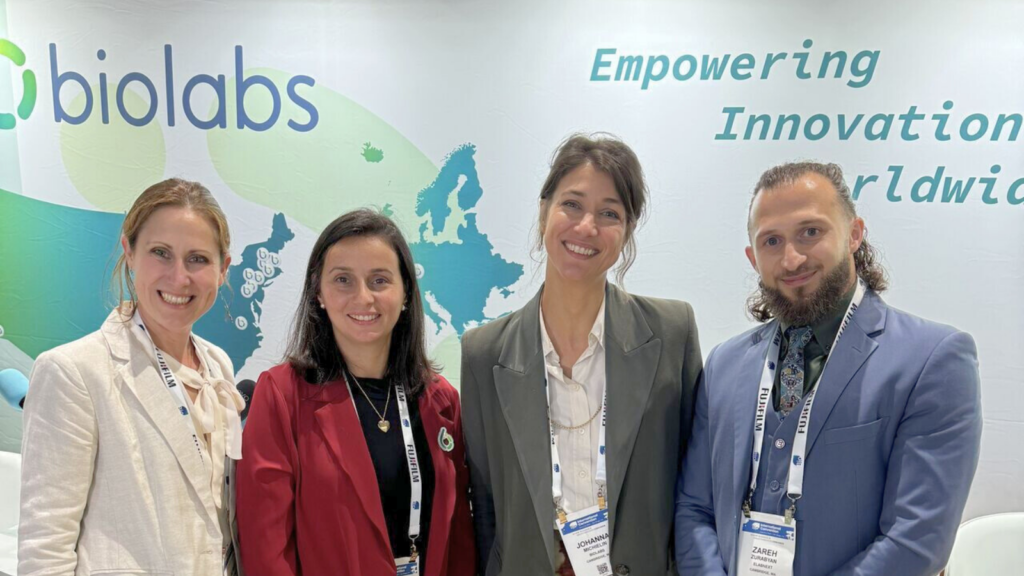
Many life science companies, including Biotech SaaS companies like eLabNext and lab coworking companies like BioLabs, are leading this transformation in unique and innovative ways. At BIO 2024, eLabNext’s Zareh Zurabyan (called “Z” for short) sat down with Nanor Nerkizian, the host of b.empowered, a podcast series from BioLabs, to talk about what’s driving this sea change in lab spaces and how both companies are contributing to this shift in the life sciences. eLabNext’s digital lab platform (DLP) has encouraged biotech labs to digitalize all facets of their operations, from sample and equipment management to lab notebooks and data analysis. 

But, establishing a next-generation lab experience that drives innovations requires more than that.

“In addition to our core products [...] we have an open API and SDK that allows third-party vendors to integrate their solutions into our platform,” describes Z. “This allows laboratories to integrate their favorite tools into our system as the glue that connects everything. [...] Our approach enables labs to collaborate and choose the best tools for their needs, whether molecular biology or AI tools.”

In the blog below, we recap some of the insights about digitalization from the podcast and discuss 3 key strategies eLabNext uses through its partnership with BioLabs to drive innovation in the life science space.

Strategy #1: Innovation Through a Brand-Agnostic, Multi-Dimensional Approach

The opposite of innovating is “business as usual.” 

Many companies looking for digital solutions choose one-dimensional solutions that are limited in their functionality and ability to scale. As Z mentions above, implementing a digital solution that allows the integration of diverse tools increases the dimensionality of a software solution, enabling easier collaboration and the freedom to customize a platform to a user’s needs. 

eLabNext is owned by a large parent company, Eppendorf; however, this structure doesn’t prevent it from finding creative new solutions to serve its customers.

“Our platform has several integrations with Eppendorf products, like the RackScan, but we are brand-agnostic as a company,” remarks Z. “Our philosophy is to be agnostic as it allows [...] us to serve our customers better. We even have integrated products that compete with Eppendorf within our Marketplace, which is by design.”

Strategy #2: Innovation Through Customer Synergy

The work in the life science sector is creative and diverse. From woolly mammoth de-extinction projects to cell and gene therapy, there is no shortage of innovative strategies for solving the world’s largest challenges.

For companies like eLabNext, innovation begets innovation. Through their work with a broad range of customers, from SynBio companies like Colossal Biosciences and Breaking to cancer-focused research institutes like the Dana-Farber Cancer Institute, Memorial Sloan Kettering Cancer Center, Harvard Medical School, and Bayer Pharma, there is a constant push to find new solutions to problems that have never been solved.

“The range of customers we have is amazing,” says Z. “Our customers include a lab researching horse vaccines [...] and a brewing company making beer. The spectrum is so big that there is not a single day we are not on our toes, learning new things and trying to understand the different workflows these labs are working with. This forces us to stay innovative ourselves because everyone has different needs. It becomes a symbiotic relationship with our customers, pushing our limits and challenging us while we do the same for them.”

Strategy #3: Innovation Through Cooperation

eLabNext and BioLabs collaborate with a shared vision focused on enabling customers to iterate and innovate. Like eLabNext, BioLabs works with a diverse customer base, working on solving large problems with new approaches. BioLabs also has a rich legacy of partnership with leading trade organizations, non-profits, and international innovation centers.

“This diversity is what has attracted us to work with BioLabs the most,” Z states. “We see so many different customers because of our product and how technology constantly morphs and changes. BioLabs purposefully brings different kinds of residents into their space, and they challenge and push each other during casual interactions, which fosters innovation. It has been a no-brainer for us to collaborate with BioLabs to bring value to these kinds of customers, and in return, they help us improve our product.”

In other words, collaboration is a pathway to further innovation. 

Z also has a side hustle – a consulting and investing firm called MapData Ventures that works with SaaS startups – where this rule is further exemplified.

“One thing we’ve noticed is that many startups have someone hyper-focused on technical or scientific aspects but miss the business side, or vice versa. My advice is to seek mentorship and collaborate with others. You don’t have to do everything yourself. Find partners that share your vision, and don’t be afraid to let go. Allow others to help elevate your business idea forward.”

The Transformation Continues

Integrating AI, automation, and digital solutions is revolutionizing life sciences, with companies like eLabNext and BioLabs leading the charge. eLabNext's brand-agnostic, multi-dimensional approach allows labs to tailor digital tools to their needs, enhancing flexibility and efficiency. Their strong customer synergy fosters continuous innovation, while their partnership with BioLabs exemplifies the power of collaboration in accelerating scientific advancements. These strategies are shaping the future of life sciences, making the next-generation lab experience a reality and paving the way for future discoveries.

Final Note: Quotes from the podcast have been modified in this format for clarity and grammar.

Read More

How to Get the Most from Your Lab Procedures

Everyone who has worked in a lab has encountered a lab protocol or SOP at some point, but why are these documents important? Adherence to protocol ensures efficiency, Standardisation, and safety in daily lab processes. 

In this blog, we will highlight: 

  1. Key differences between lab protocols and SOPs 
  2. The importance of standardization in lab procedures 
  3. How to write an effective lab procedure
  4. Streamlining lab protocol creation and sharing with digital lab solutions

Laboratory protocols and Standard Operating Procedures (SOPs) are fundamental frameworks that ensure the consistency, safety, and accuracy of scientific experiments.

Lab protocols are detailed step-by-step instructions designed to carry out a specific experimental task or lab process. On the other hand, SOPs provide a comprehensive set of guidelines for almost any lab procedure, from ensuring lab cleanliness to proper equipment use, safe handling of hazardous substances, and lab maintenance procedures.

Together, lab protocols and SOPs form the backbone of daily laboratory operations, enabling scientists to conduct their work efficiently, securely and in compliance with regulatory standards. They serve as a blueprint for conducting research in a consistent and optimal manner.

Read on for our quick guide to lab procedures and protocols. We'll examine different procedure types, highlight the importance of standardization, and give our top tips on how to write effective SOPs for your lab—including how to streamline protocol writing with advanced digital lab solutions.

What are the main differences between Lab Protocols and SOPs?

The terms "lab protocol" and "SOP" are sometimes used interchangeably in the context of laboratory environments, although they often have distinct meanings depending on the context and specific use:

Lab Protocols:

  • Purpose: A lab protocol typically refers to a set of instructions designed to carry out a specific experiment or a testing procedure. It details the steps necessary to perform a scientific experiment, a clinical test, or any sequence of actions in a lab setting.
  • Specificity: Protocols are usually very specific and can be more detailed about experimental conditions, such as concentrations, temperatures, and equipment settings.
  • Flexibility: While they should be followed as written to ensure consistency and reproducibility of results, protocols might be slightly adjusted or optimized according to specific research needs or objectives.

Standard Operating Procedures (SOPs):

  • Purpose: An SOP is a broader document that provides step-by-step instructions to perform any task within a lab (or other environments) consistently and correctly. SOPs are used not only for experiments but for any procedure that should follow a specific standard to ensure lab safety and compliance.
  • Scope: They cover a wider range of activities beyond scientific experiments, including general lab maintenance, daily procedures, data documentation, and other operational processes.
  • Regulatory Compliance: SOPs are often required to comply with industry standards and regulatory guidelines. They are designed to ensure that different individuals can perform the same task in the same manner over time, enhancing efficiency and quality control.

While there may be some overlap between lab protocols and SOPs, both are crucial for maintaining high standards of practice, though their applications and the rigidity with which they must be followed can differ.

Importance of standardization in lab procedures

Lab protocols and procedures are central to establishing standardization within daily lab operations, ensuring that every process is performed consistently and effectively. 

Standardization in lab procedures is crucial for several reasons, particularly in scientific research, diagnostic testing, and any setting where precise and reproducible results are necessary. Here are some key aspects of why standardization is so important:

Consistency and Reproducibility

Standardization ensures that experiments or tests conducted in a laboratory yield the same results, irrespective of who performs them or when they are performed. This consistency is crucial for validating experiments and confirming results across different studies or even different laboratories.

Quality Control

Standard procedures help maintain high quality and reliability in experimental results. By following a standardized protocol, labs can minimize variability that might arise from different methodologies or operator errors, ensuring the data's accuracy and reliability.

Lab Safety

SOPs include detailed safety guidelines that are crucial for handling hazardous materials, operating complex machinery and ensuring general laboratory safety. Standardisation in these procedures helps prevent accidents and ensures the safety of lab personnel.

Efficiency and Time Management

Having a set of well-defined, standardized procedures reduces the time needed for training and briefing. New personnel can quickly learn and adapt to established methods, which increases the overall efficiency of the laboratory. It also helps to manage resources better by eliminating unnecessary variations in the use of materials and equipment.

Regulatory Compliance

Many laboratories operate under strict regulatory conditions imposed by governmental and international bodies, especially in the pharmaceutical, medical, and food industries. Standardized procedures ensure that labs comply with these regulations, helping to maintain certifications and avoid legal or ethical violations.

Cost Efficiency

By reducing errors and reiterations of experiments, standardised procedures can lead to significant cost savings. Consistent protocols minimise the waste of expensive reagents and samples, which can have a substantial impact on lab budgets.

In summary, the standardization of lab procedures is integral to the scientific process, ensuring that results are accurate, reliable, and verifiable. This not only boosts the credibility of the scientific findings but also enhances operational efficiency within laboratories.

How to write an effective lab procedure

When writing a lab protocol or SOP, it can be useful to follow a stepwise process. Follow this guide to start writing effective lab protocols or SOPs for your lab:

1. Define the Purpose

Start by clearly stating the purpose of the protocol or SOP. Specify what the procedure will accomplish and why it is important. This sets the context and ensures all users understand the intent behind the procedure.

2. Scope and Application

Outline the scope of the protocol or SOP. Explain when and where it should be used and by whom. This section should also list any prerequisites, such as necessary qualifications, training, or conditions required before performing the task.

3. List of Materials and Equipment

Provide a detailed list of all materials, equipment and software needed to complete the procedure. Include specific models, settings and any safety gear required.

4. Detailed Steps

Break down the procedure into clear, numbered steps. Each step should be concise and describe precisely what needs to be done. Use bullet points for clarity and ensure that the steps are in the correct order.

5. Safety and Compliance Notes

Include any safety instructions related to the procedure. Highlight critical steps, potential hazards, and emergency response actions. Ensure all compliance guidelines are met and documented within the SOP.

6. Quality Control Checks

Integrate checkpoints or quality control measures to ensure the procedure's output meets the required standards. Specify how results should be evaluated and recorded.

7. Documentation and Reporting

Detail how the results should be documented, who should receive the reports, and the format for these reports. Ensure the process aligns with data integrity and record-keeping requirements.

8. Review and Approval

Before finalizing, the protocol or SOP should be reviewed by senior staff or peers. This review ensures accuracy and practicality. Once reviewed, it should be approved by the required authority.

9. Revision History

Keep a revision log at the end of the document to track changes. Include dates, the nature of revisions, and who approved the changes.

Adopting a structured approach such as this helps create comprehensive and reliable lab protocols and SOPs, enhancing the efficacy of daily laboratory operations.

Streamlining lab protocol creation and sharing with digital lab solutions

Whether your lab relies on paper-based lab protocols or stores key protocol documents in an online file-sharing system, your lab could benefit from a comprehensive digital lab solution tailored to creating, sharing, and accessing key lab protocols and SOPs.

SciSure (formerly eLabNext) for Protocol and SOP Management is an advanced digital system for creating and sharing dynamic and interactive protocols and SOPs. The platform allows lab personnel to easily access necessary protocols anywhere, anytime, reinforcing compliance and facilitating seamless collaboration through a shared protocol library and integrated communication tools.

This powerful digital lab solution offers a user-friendly interface, making it easy for labs to generate step-by-step interactive protocols that guide laboratory processes. Every change made to a protocol is tracked, ensuring transparency and accuracy throughout your work processes. In addition, our platform comes equipped with a wide range of templates for common lab protocols, saving you time when creating protocols. 

SciSure can enhance adherence, lab safety, and collaboration within your team via a shared library for protocols and SOPs.

AI protocol generation and beyond

In addition to the robust protocol creation and sharing that can be achieved with our platform, SciSure has recently developed an AI-powered Protocol Generation Add-On – an innovative tool designed to transform and streamline your lab's protocol and SOP creation experience.

Powered by advanced generative AI software, the add-on overcomes the tedious task of manually creating protocols, automating the generation of comprehensive protocols from a brief description of your experiment, significantly cutting down your time and effort.

Available as an add-on, the generative AI tool eases the burden of documentation. Beyond protocols and SOPs, the tool can also assist in swiftly producing detailed lab reports and experiment summaries, allowing you to dedicate more time to research and less to paperwork.

A better way to manage lab procedures?

Understanding and utilizing lab protocols and SOPs is not just about maintaining standards; it's about enhancing the efficiency, safety, and efficacy of scientific research.

Adopting digital tools can greatly enhance the creation, management and adherence to these crucial documents. Whether you're drafting your first SOP or looking to refine existing procedures, adopting digital solutions from SciSure can not only streamline the protocol creation process, but also ensures that all procedures are up-to-date, consistent and accessible, reducing human error and increasing productivity.

‍

Read More

SPT Labtech’s fast barcode scanner now integrates with SciSure for improved efficiency

Today, SciSure (formerly eLabNext) announced that its customizable Digital Laboratory Platform can integrate with SPT Labtech’s compact, user-friendly barcode reader, BioMicroLab Scan. The free add-on can be accessed through the Marketplace, SciSure’s application library for extending and personalizing platform functionality, enabling users to rapidly scan and decode the broadest range of tube racks on the market, including cryotubes, cryovials, cryoboxes, glass vials, and ANSI/SLAS microplate standard labware. 

By adding the BioMicroLab Scan application to SciSure, users can work with confidence, knowing that sample identification, even for extensive sample libraries, is taken care of. The connection between the BioMicroLab Scan and eLabNext also gives users a quick and easy way of storing integral sample data in the platform. Automatic transfer of information ensures research integrity and data integrity so scientists can focus more time and effort on other tasks.

“The integration of the BioMicroLab Scan with SciSure will bring seamless data tracking to more labs,” says Cory Tiller, Product Manager for Sample Management at SPT Labtech. “The combination of SciSure’s approachable platform and the Scan’s flexibility means that any lab with 2D barcoded tubes can go from sample creation to inventory update in moments.”

“Today’s labs require seamless automation and integrations, so we’re always on the lookout for any tool that helps our users circumvent issues with sample management and tracking,” comments Zareh Zurabyan, VP of Commericial, Americas. “By allowing users to integrate the BioMicroLab Scan with our platform, they can secure their samples with one of the most versatile laboratory barcode readers on the market, and scale their lab operations efficiently.”

The BioMicroLab Scan can capture and decode SBS format racks in less than 1 second and 81/100/196 cryobox formats in less than 2 seconds. It also features compatibility with cold environments, which is essential for any laboratory personnel in the life science industry and users of SciSure. 

About SPT Labtech

SPT Labtech makes products that transform the way scientists work. For over 25 years, our expert scientists, engineers, and business innovators have created innovative solutions for liquid handling, sample preparation, and management that help accelerate research and make a real difference to human health. We work collaboratively with our customers, building trusted relationships that enable us to deliver exceptional, personalized experiences designed for real-world challenges in the lab. 

Press contact

Carey Rooks, Head of Brand and Communications

marketing@sptlabtech.com

https://www.sptlabtech.com/

‍

Read More

Elemental Machines and SciSure Partner to Launch Free Add-on to Monitor and Record Environmental Laboratory Data

‍BOSTON, MA – Elemental Machines and SciSure (formerly eLabNext) announced today that the Elemental Machines’ Connector add-on will now be available for free in the eLab Marketplace, eLabNext’s application library for extending and personalizing the functionality of their Digital Lab Platform. The Elemental Machines’ Connector supports wireless Element Machines' sensors, which can monitor and record real-time data on temperature, humidity, and other environmental factors, allowing labs to respond instantly to temperature deviations among storage devices with customizable cellular alerts. 

“We are proud to continue partnering with SciSure and serving customers worldwide,” says Ed Seguine, CEO of Elemental Machines. “With the launch of our new Elemental Machines’ Connector add-on, we’re showcasing our long-term vision and commitment to this partnership. This release not only supports our existing customers but offers new customers the chance to experience the value of the integration. By merging insights from Elemental Machines with eLabNext, users can gain a deeper, more sophisticated understanding of samples before and during scientific processes.”

The integration also gives users full visibility into equipment status and sample storage, driving informed decision-making, better resource management, greater reproducibility and compliance, and enhanced lab workflows. The Elemental Machines’ Connector automatically captures, documents, and provides access to data through cellular networks on a variety of environmental factors for audits and reviews to improve experimental accuracy.

“Centralizing lab data is one of the core missions of our platform,” explains Zareh Zurabyan, VP of Commericial, Americas. “The Elemental Machines’ Connector opens up SciSure software to collect environmental data generated by lab equipment, giving users easy access to all temperature readings, including the duration and magnitude of deviations. Whether you are doing clinical work, R&D, diagnostics, or long-term biobanking, it is important to have insight into sample integrity, which generates terabytes of data using a range of equipment. This integration allows users to collect historical data on temperature deviations across the entire sample journey through the lab, giving them more confidence in their sample data.”

The Element-T sensors are capable of continuously monitoring and transmitting temperature data from freezers, refrigerators, and lab spaces. Download the Elemental Machines' Connector for SciSure from the Marketplace and start integrating real-time data into your lab operations today.

About Elemental Machines

Elemental Machines’ Intelligent Operations Platform leverages the best of Internet of Things (IoT) technology and custom hardware/software solutions, delivering actionable insights to operators in life sciences, biopharma labs, biobanks, analytical labs, and manufacturing facilities. By connecting the physical and digital worlds, the platform simplifies, optimizes, and augments operations. Leaders in science, facilities, and technology trust Elemental Machines’ ecosystem for insights that accelerate innovation, predict outcomes, and shift from reactive to proactive management. With scalable solutions from incubator to enterprise, custom integrations to fit each operation’s unique needs, and a wide ecosystem of partnerships, Elemental Machines ensures operational excellence and the future-proofing of lab and manufacturing processes. 

Press contact: 
Name:
Kevin Ghiasi, Vice President of Global Alliances
Email:
kevin@elementalmachines.com
Website:
elementalmachines.com

Read More

New LabTAG Add-On Streamlines Laboratory Labeling with Dymo® LabelWriter™ 5-Series and SciSure Integration

‍BOSTON, MA (April 2, 2025) – GA International, a global leader in laboratory identification solutions, under its LabTAG brand, announced today that its DYMO® LabelWriter™ 5-Series Printing Kits are now compatible with SciSure (formerly eLabNext)—an intuitive and flexible system for collecting, managing, and analyzing laboratory information. The integration is available in the eLabMarketplace through an Add-on, and provides researchers with a reliable, precise, and user-friendly solution for labeling in critical laboratory workflows.

“We’re excited to expand our partnership with SciSure by introducing this Dymo® LabelWriter™ 550 Add-On,” comments George Ambartsoumian, Founder and CEO of GA International. “This tool allows researchers to print labels directly from the eLabNext interface, making sample identification faster, easier, and more reliable. It’s another step forward in our shared mission to streamline lab workflows and improve sample and data management in laboratories.” 

The Add-on allows users access to pre-designed label templates tailored for LabTAG’s specialized DYMO-Branded CryoSTUCK® Labels directly within SciSure. These templates are optimized for the Dymo® LabelWriter™ 5-series printers, ensuring perfect formatting, dimensions, and layout alignment. This eliminates the need for manual adjustments and enables effortless label printing in just a few clicks. By combining the affordability of the Dymo® LabelWriter™5-Series (550, 550 Turbo, and 5XL) with LabTAG's durable cryogenic labels, the Add-on also offers a cost-effective labeling solution, particularly beneficial for labs working on a tight budget.

“We jump on every opportunity to enhance our platform by integrating tools that simplify workflows, collaborating with companies that share our passion for sample and data management, and streamlining lab operations for our users,” says Zareh Zurabyan, VP of Commercial, Americas. “This recent collaboration with LabTAG is a win for everyone and ensures that labs can focus on their research with confidence, knowing their labeling needs are met with innovative and reliable technology.” 

To learn more about SciSure and how to connect with LabTAG’s Dymo® LabelWriter™ 550 Printer Add-on, visit the Marketplace.

About LabTAG

GA International has over 25 years of experience as a leading manufacturer of specialty labels, supplying laboratory identification solutions to biomedical research labs, biobanks, hospitals, and other healthcare institutions. Since its inception, GA International has become a worldwide leader in cryogenic and chemical-resistant labels, strongly dedicated to R&D and customer service. 

For more information about GA International, please visit www.labtag.com

Press contacts

For Media & Communication Inquiries‍

Ishan Wadi, Marketing Leader
ishan.wadi@ga-international.com

For Technical Inquiries Related to the Add-On

Alexandre Beaudoin Gagne, IT Director
alexandre.beaudoin@ga-international.com

‍

Read More

New AI-powered add-on for T-cell therapy candidate detection—in collaboration with ImmunoMind

eLabNext launches a new AI (Artificial Intelligence) powered add-on developed by ImmunoMind. This collaboration allows eLabNext users to leverage their existing data as input in the ImmunoMind platform. This data helps guide users through translational and clinical research to help better understand T-cell therapies using computation immunology and AI technologies which enhances the reports from eLabJournal with the results from multi-omics driven drug development and manufacturing.

ImmunoMind is a moonshot startup—graduated from UC Berkeley SkyDeck—that helps companies and medical centres select safer and more effective CAR-T and other Cell Therapies. By using proprietary multi-omics and AI technologies, their platform allows early and comprehensive assessment of potential candidates.

How it works

The ImmunoMind add-on precisely identifies both cell subpopulations (e.g. Tscm, Tcm, Tem, Treg, NK, gdT cells) and their characteristics (e.g. exhaustion, senescence, activation) to create a comprehensive profile of CAR-T and other Cell Therapy products. The profile can help select the most effective design and dosage for CAR-T, improve QC and SOP to select T-cell subsets (such as Tscm and T-cell precursors), assess exhaustion and persistence of CAR-T cells in vitro and in vivo, and more. The platform supports Go/No-Go decision-making and reduces the risk of immunotherapy development and manufacturing.

Collaboration at its best

eLabNext values efficient and secure collaboration within the lab and across departments. We provide digital solutions to align all diverse teams within an organization. With this integration, you will be able to bring forward the synergy between biologists, medical scientists, data scientists and bioinformaticians. We value the resources it takes to follow through with all the stages of drug development and manufacturing—which is precisely why we put our efforts into providing everyone with an automated and streamlined process.

The ImmunoMind add-on is free and available in eLab Marketplace

Install the free ImmunoMind add-on to connect eLabJournal with the ImmunoMind platform for more enriched reporting.

Not yet using eLab? Try the add-on free for 30 days in a free trial. Sign up now!

Read More